The power strip is the single most confiscated item at cruise security, and it is on almost every packing list written before 2024.
Power: the rule that has actually changed
| Line | Position | The detail that matters |
|---|---|---|
| Royal Caribbean | Extension cords, power strips and multi-plug outlets prohibited | Exception for USB and device chargers carrying a recognized US safety certification |
| Virgin Voyages | Extension cords and multi-plug power strips subject to inspection | Approval rests with the Ship’s Electrician — bring it in carry-on, and expect it to be looked at |
| Most other lines | Assume prohibited until their own page says otherwise | "Cruise-approved" on a product listing is a marketing phrase, not a cruise line’s decision |
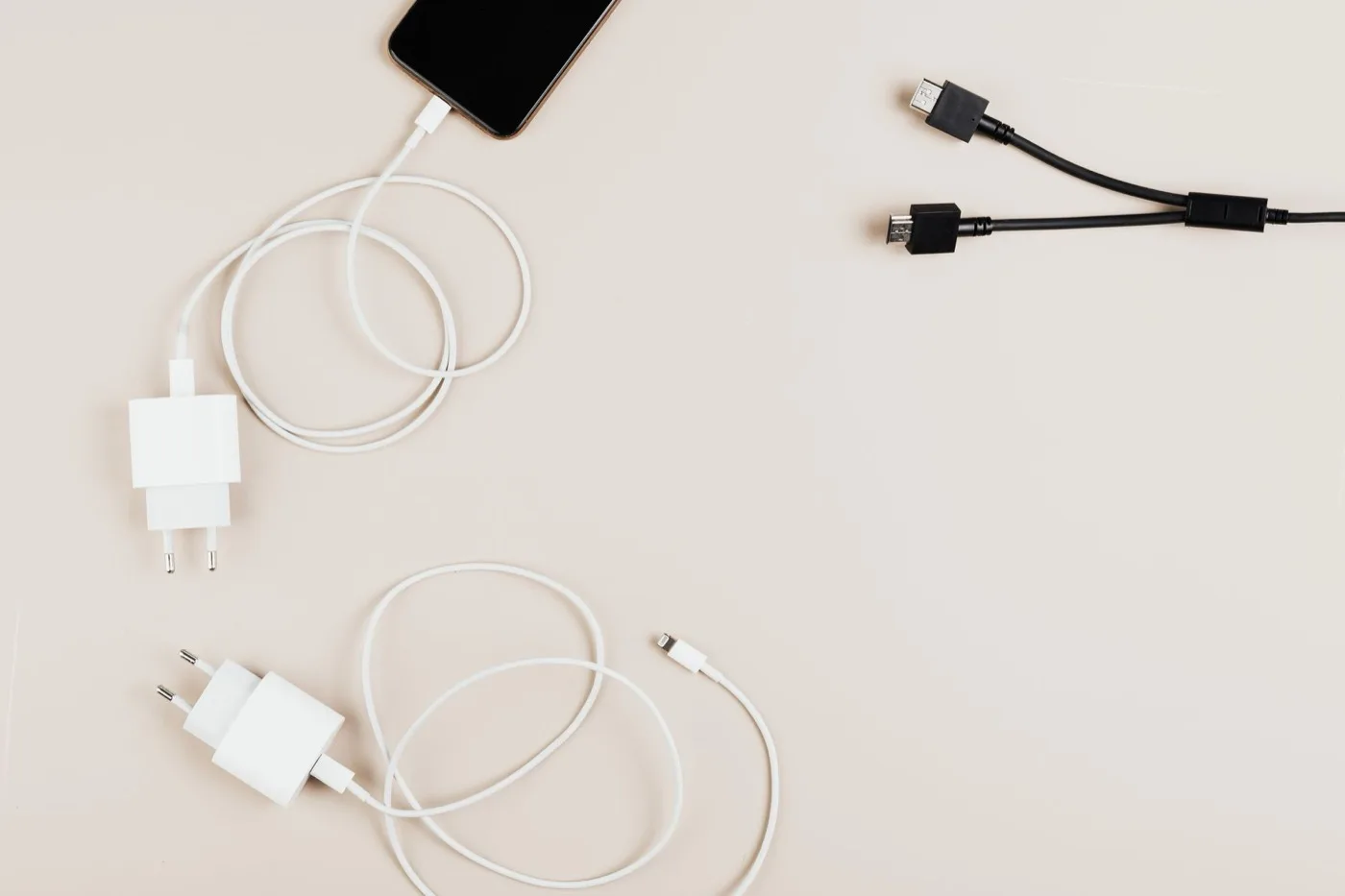
This is the whole section in one idea. The problem is not surge protection, it is the extra sockets. Ship electrical systems are not domestic ones, and a strip that multiplies outlets is what security is looking for. The fix is not a cleverer strip — it is a single certified USB charger in one wall socket, plus long cables. Cabins are short of outlets; a two-meter cable solves that where an extension cord loses you the device.
"Cruise-approved" is a marketing phrase. No cruise line certifies third-party products, and a listing that says so is describing its own hopes. The only authority is your line's prohibited-items page for your sailing — and on Virgin, even a permitted-looking item is only "subject to inspection and approval by the Ship's Electrician", which is a decision made at the pier, not in advance.
What three lines actually allow
Only figures the lines publish themselves appear below. Where a line words a limit loosely, that wording is used rather than a number borrowed from a round-up — because the number in a round-up is what gets people's drinks taken away.
| Virgin Voyages | Royal Caribbean | Carnival | |
|---|---|---|---|
| Wine or champagne | Two 750 mL bottles per cabin, carry-on | One sealed 750 mL per drinking-age guest, embarkation day. Boxed wine prohibited | One 750 mL per guest 21+, carry-on, embarkation day only |
| Spirits and beer | Not permitted | Not permitted | Not permitted |
| Non-alcoholic drinks | 12 sealed cans or cartons, 12 oz or less each, hand luggage only | Permitted within the line’s stated limits — confirm for your sailing | “A small quantity” in cans or cartons, carry-on only |
| If you bring more | Alcohol in checked luggage is collected and returned at the end of the voyage | Extra and port-purchased bottles are stored and returned on the last day | Confiscated and discarded |
| Corkage | Confirm for your sailing | $15 per bottle in public areas; none in your stateroom | $15 per bottle in dining venues and bars |
| Drones | Not allowed aboard; confiscated pre-voyage, returned at the home port | Confirm directly — policy could not be verified for this article | Confirm directly — policy could not be verified for this article |
The row worth reading twice is the last-but-two. What happens when you exceed the allowance is not the same on every line. Royal Caribbean stores extra and port-purchased bottles and hands them back on the final day. Virgin does the same with alcohol found in checked luggage. Carnival confiscates and discards. Same mistake, three different outcomes — one of which you never get back.
Virgin, in detail
Virgin publishes unusually specific numbers, which makes it the useful worked example. These were read at source on September 6, 2026:
| Item | Virgin Voyages policy |
|---|---|
| Wine | Two 750 mL bottles per cabin, carry-on only |
| Hard liquor, spirits, beer | Not permitted. Found in checked luggage, it is collected and returned at the end of the voyage |
| Non-alcoholic drinks | 12 sealed cans or cartons, each 12 oz or less, hand luggage only |
| Containers | Cans and paper cartons only — no glass, no plastic bottles |
| Drones | Not allowed aboard; confiscated pre-voyage and returned at the home port |
Two of those deserve emphasis. Alcohol in checked luggage is not simply refused — it is collected and returned at the end of the voyage, which means the bottle you packed is gone for the week rather than turned away at the door. And a twelve-pack of standard 12 oz cans fits the beverage cap exactly, while standard 16 oz cans do not: buy those on board.
Drones: stricter than most people assume
"You cannot fly it from the ship" and "you cannot bring it at all" are different rules, and several lines apply the stricter one. Virgin does not allow drones aboard — they are confiscated before the voyage and returned when the ship reaches its home port. That covers a drone you only intended to use ashore.
Royal Caribbean's current position could not be confirmed for this article, and the source material flagged it as unverified too. Do not resolve that from a forum post: ask the line before the drone goes in the case.
Heat, flame, and the rest of the confiscation list
- Irons and garment steamers. Nearly universally prohibited. Ships have laundry services and most cabins have a hair dryer.
- Kettles, coffee makers, hot plates, toasters. Anything with a heating element.
- Candles and incense. Open flame, on a ship.
- Extension cords, power strips, multi-plug outlets. As above.
- Weapons, ammunition, illegal substances. Obviously, and enforced.
- Drones and remote-controlled aircraft, on several lines including Virgin.
Hair dryers, curling irons and straighteners are the common exception — permitted on most lines despite having heating elements, because they are handheld and briefly used. Check whether your cabin already provides a dryer before packing one.
The first-day carry-on
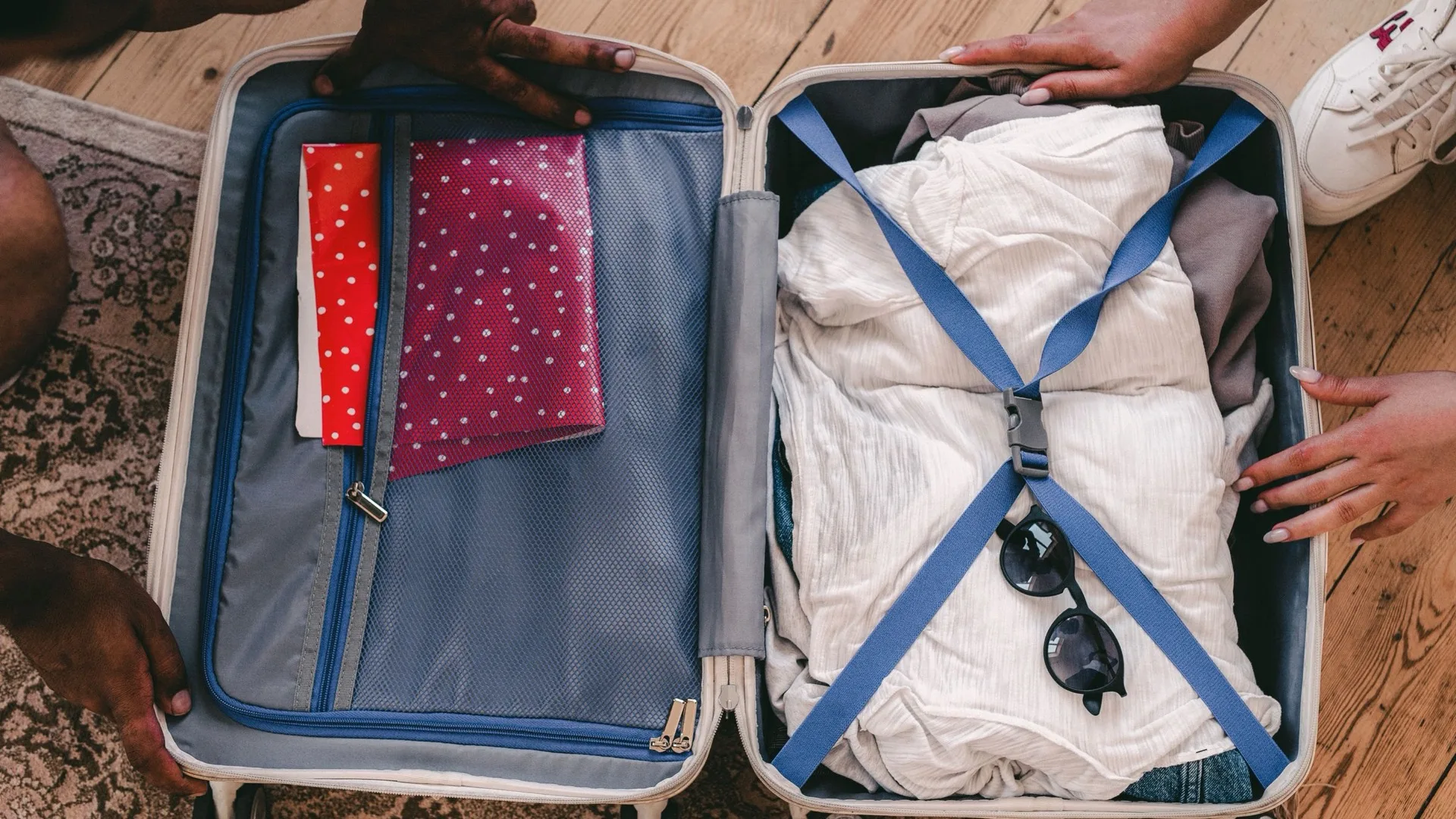
Checked bags may not reach your cabin for several hours after boarding. Pack the first afternoon in something you carry yourself:
- Documents and medications — never in a checked bag, ever.
- Phone, charger and power bank.
- Swimsuit and sunscreen, because the pool is open before your luggage arrives.
- One dinner outfit, in case the bags are slow.
- Valuables and anything irreplaceable.
- Accessibility and medical-device supplies, with their documentation.
- One comfortable outfit held back for disembarkation — luggage often leaves the cabin the night before, and you still have to walk off.
Medical equipment, and the thing people assume
Medications travel in your carry-on, in original labeled containers, with a written list of names, doses, timings and your prescribing clinician. Carry enough for the voyage plus a delay margin. A cabin minibar is not a medical refrigerator — if something needs temperature control, arrange it with the line and the ship's medical team in advance.
A medical need does not automatically authorize your own extension cord. This is the most common wrong assumption in this whole subject. Lines differ: some will review a cord you bring, some supply an approved one on request, and some prohibit personal cords outright regardless of purpose. Ask which yours does, in writing, and ask early — the answer sometimes has a deadline attached.
For CPAP, BiPAP, nebulisers and oxygen, confirm before you sail: voltage and plug type, cord rules, whether distilled water can be supplied and by when it must be requested, battery permissions and storage, and where equipment is handed over at the pier. Never put medical oxygen in checked luggage unless the line and your carrier have specifically told you to.
For mobility devices, measure before you book — width, length, height, weight, folded dimensions and battery chemistry — and confirm the device fits through the stateroom door and stores inside the cabin. Corridors are not overflow storage, and being told that at embarkation is too late.
Service animals: boarding is not entry
Approval to board is not approval to go ashore. Every port sets its own vaccination, import, permit and relief-area rules, and they do not align. Research each one, carry originals and copies, and confirm port by port whether the animal can actually disembark — a "yes" from the cruise line is a statement about the ship, not about Cozumel.
Assume the line provides no daily feeding, toileting or grooming. Pack food, medication, bowls, leash and relief supplies in your carry-on alongside the paperwork.
Lithium batteries
- Power banks and spare batteries go in carry-on, never checked. This is a fire-safety rule, not a preference, and it applies to your flight as well.
- Protect exposed terminals — tape them or use the original packaging.
- Do not leave anything charging unattended in the cabin.
- Check the airline separately if you are flying to the port. Its limits are its own and are often stricter.
Ports have their own rules
Your cruise line's list governs the ship. It says nothing about the country you are stepping into. Before you sail, check each port for restricted sunscreen ingredients, drone permits and no-fly zones, service-animal entry rules, agricultural and food restrictions, dress requirements at religious sites, and local rules on vaping, cannabis or camouflage clothing — several of which carry real penalties rather than a confiscation.
Cannabis deserves its own sentence: do not pack it, in any form, however legal it is where you live and whatever it was prescribed for. Ships operate under different jurisdictions and lines enforce this strictly.
The day itself
- Complete online check-in and download everything before you leave — terminal signal is poor and the queue is a bad place to discover it.
- Arrive inside your assigned window, and never after final boarding.
- Strip the essentials out of your checked bag before handing it to the porter. Once it is gone, it is gone for hours.
- Declare anything unusual up front — medical devices, oxygen, a drone if you are permitted one. Volunteering it is faster than being found with it.
- Allow time for secondary screening if you are carrying approved but uncommon equipment.
- Keep documents, medication, valuables and medical equipment on you throughout.
Ask the line in writing, like this
One paragraph, sent before you buy anything, saves the argument at the pier. Include the product name, model number, dimensions, battery details and intended use, plus your ship, cabin, itinerary and sailing date:
Please confirm whether this specific device, charger, cord and power arrangement is permitted for my ship, cabin, itinerary and sailing date — and whether it requires inspection, advance approval, or ship-supplied equipment instead.
Written confirmation is not a guarantee that terminal security will agree; the ship keeps the final say. But it is a far better position than a remembered phone call, and if the line will not confirm an item in writing, that is your answer about whether to pack it.
What this guide will not tell you
No passport-validity rule appears above. The often-quoted "six months beyond your sailing" is a convention, not a universal requirement, and the real answer depends on your nationality, your itinerary and each country you call at. The same goes for destination sunscreen-ingredient bans and for line-by-line dress codes: all three vary enough that a confident sentence here would be worth less than a two-minute check against your own line and ports.
Frequently asked
Can I bring a power strip on a cruise?
Assume no. Royal Caribbean prohibits extension cords, power strips and multi-plug outlets outright, allowing only USB and device chargers with a recognized US safety certification. Virgin Voyages treats them as subject to inspection and approval by the Ship’s Electrician, which is not the same as permission. Check your own line’s page.
What is the safest charging setup to pack?
A compact USB-A and USB-C charger that plugs directly into one wall outlet, with no surge protection, plus long cables and a power bank. Cabins have few outlets, and a longer cable solves that problem where an extension cord will get you stopped at security. Pack anything questionable in your carry-on.
Can I bring a drone on a Virgin Voyages cruise?
No, and not even for use ashore. Virgin does not allow drones aboard: they are confiscated before the voyage and returned when the ship reaches its home port. "You cannot fly it from the ship" and "you cannot bring it at all" are different rules, and Virgin applies the stricter one.
How much alcohol can I bring on Virgin Voyages?
Two 750 mL bottles of wine per cabin, in carry-on. Hard liquor, spirits and beer are not permitted, and any alcohol found in checked luggage is collected at embarkation and returned to you at the end of the voyage. Other lines set different allowances, so verify yours.
Can I bring energy drinks or soft drinks aboard Virgin Voyages?
Yes, within limits: 12 sealed cans or cartons per person, each 12 oz or smaller, in hand luggage only, with no glass or plastic bottles. A twelve-pack of standard 12 oz cans fits exactly. Standard 16 oz cans exceed the size cap, so buy those onboard instead.
What should go in my carry-on for embarkation day?
Documents, medications, phone and charger, a swimsuit, sunscreen, one dinner outfit, valuables, and any accessibility or medical-device supplies. Checked bags may not reach the cabin for several hours. Keep one comfortable outfit out for disembarkation morning too, since luggage often leaves the night before.
Do I still need to print a boarding pass?
Usually not. Most lines run check-in, boarding passes, schedules and the onboard account through an app. Download it, complete check-in and save your documents offline before you reach the terminal, where signal is frequently poor and the queue is not the place to discover it.
What we verified, and what we would not. Virgin's drone, extension-cord, wine, spirits and beverage rules, and Royal Caribbean's electrical prohibitions and USB exception, were all read at source on September 6, 2026. Not claimed: Royal Caribbean's current drone policy, any USB port count or AC pass-through allowance on a certified adapter, destination sunscreen bans, passport validity, and per-line dress codes. Prohibited-items lists change, and the decision at the pier belongs to the ship.
Sources
Prohibited-items lists, allowances, dress codes and accessibility procedures are set by the cruise lines and change without notice; the final decision on any item rests with the ship at embarkation. This article is general information as of September 6, 2026 and is not medical, legal or entry-requirements advice. Photographs by SHVETS production and Kaboompics via Pexels, used under the Pexels license and resized only.
Not sure whether it will get through?
Send me the item and your sailing. I will check it against your line's current list and tell you plainly — and if it needs advance notice, like medical equipment, I will start that before it becomes a problem at the pier.
Begin the Journey